
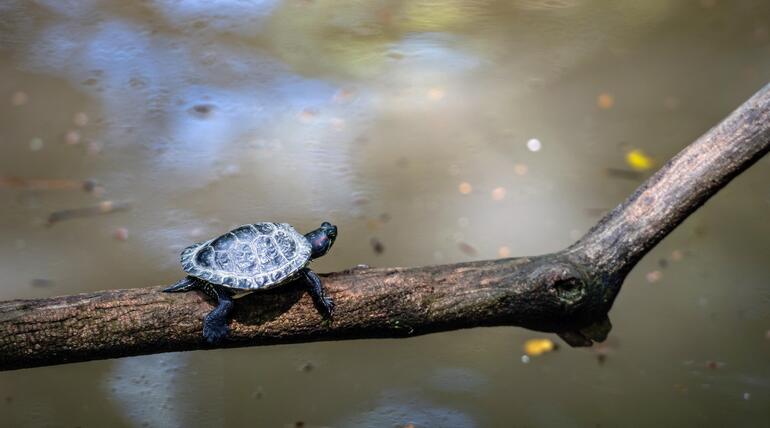
Satellite Beach is a small coastal city, but its environmental work covers many practical areas of daily life. The city works on wildlife protection, habitat restoration, water conservation, solar access, stormwater practices, tree management, and resident education. These initiatives support the local environment while also helping residents and visitors understand how a beach community can protect natural resources and remain prepared for future challenges.
The city defines resiliency as the ability of the community and environment to withstand and recover from storms, flooding, and other climate impacts. Sustainability, in this context, means managing natural resources responsibly so current needs are met without limiting the ability of future generations to thrive. The following initiatives show how Satellite Beach applies that idea through local programs, public guidance, and neighborhood-level action.
Artificial Lighting and Wildlife
Artificial lighting is one of the most important sustainability concerns in a coastal community because it can affect sea turtles and other wildlife. Bright lights at night can disorient nesting sea turtles and hatchlings, leading them away from the ocean instead of toward it. For this reason, Satellite Beach encourages residents, property owners, and visitors to reduce light pollution during sea turtle nesting season.
The city asks beachfront properties to close blinds or curtains, turn off unnecessary lights, and use turtle-friendly lighting from March 1 through October 31 between 9 p.m. and 7 a.m. Outdoor lighting should be shielded or directed away from the beach, and flashlights, flash photography, and fires are not allowed on the beach during nesting season. These rules are simple, but they protect one of the most visible and sensitive parts of the local ecosystem.
Satellite Beach also supports public education and lighting surveys through its Sea Turtle Lighting Program. This approach matters because lighting compliance is not only a government rule. It depends on homeowners, rental guests, businesses, and visitors making the right decisions at night, especially in areas close to the shoreline.
Ecotours to Samsons Island
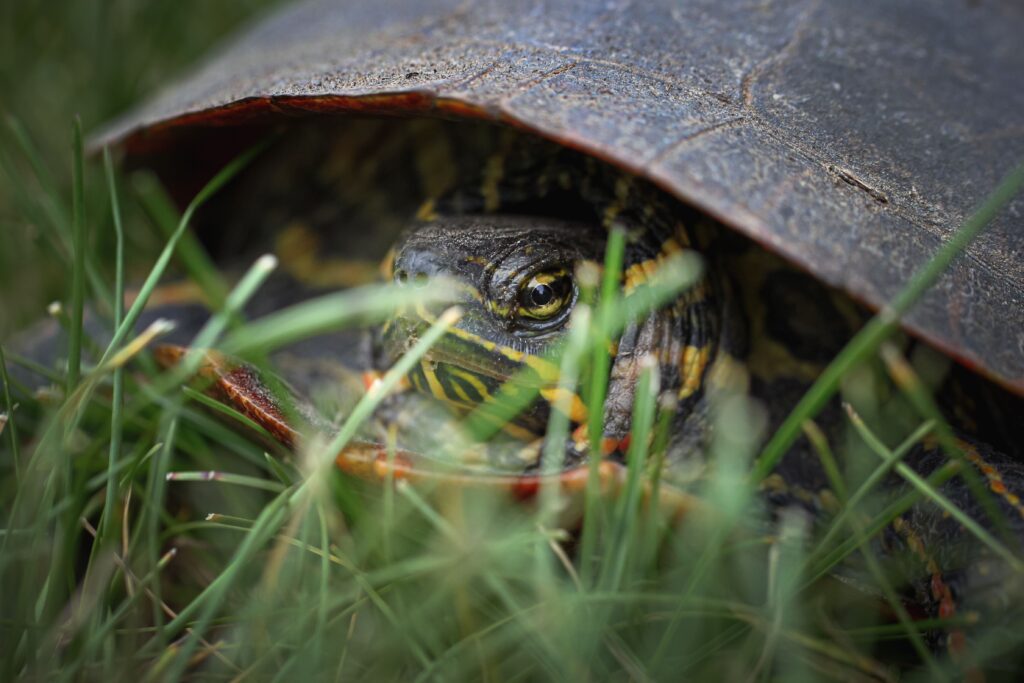
Samson’s Island is one of the important natural spaces connected with the city’s sustainability work. The city promotes ecotours to Samsons Island and provides access to guest registration for people who want to experience the area in an organized way. This supports environmental education and helps people understand the value of protected natural spaces.
Ecotours are useful because they connect public access with conservation. Visitors and residents can learn about local habitats, native species, restoration work, and the role of natural areas in a coastal city. For Satellite Beach, this type of program helps turn sustainability from an abstract idea into something people can see directly.
Gopher Tortoise Protection
Satellite Beach is home to gopher tortoises, a threatened species protected under Florida Fish and Wildlife Conservation Commission regulations. Gopher tortoises are also a keystone species, which means their burrows support many other animals in the ecosystem. Protecting them helps protect multiple species at the same time.
The city focuses on protecting gopher tortoises at places such as Samsons Island and Desoto Sports Park. Staff work on invasive plant management, habitat restoration, and ongoing monitoring to keep these areas suitable for long-term survival. This work supports biodiversity, strengthens local habitats, and helps maintain natural spaces that are valuable for both wildlife and the community.
The city’s public guidance also reminds people not to touch gopher tortoises, put them in water, or disturb their burrows. These details are important because well-intentioned human behavior can still harm protected wildlife when people do not understand the species.
Irrigation Schedule
Water conservation is another practical part of sustainability in Satellite Beach. In 2021, the City Council approved Ordinance No. 1199, which adopted the water conservation rules of the St. Johns River Water Management District. These rules apply to private wells, pumps, ground or surface water, and public or private utilities.
The basic guidance is clear. Water only when needed, do not water between 10 a.m. and 4 p.m., and limit watering to one hour per zone. During Daylight Saving Time, odd-numbered homes water on Wednesday and Saturday, even-numbered homes water on Thursday and Sunday, and non-residential properties water on Tuesday and Friday. During Standard Time, odd-numbered homes water on Saturday only, even-numbered homes water on Sunday only, and non-residential properties water on Tuesday only.
This schedule helps reduce unnecessary water use while still allowing residents to maintain healthy landscapes. In a coastal city, water conservation also connects with broader concerns about runoff, soil health, and the long-term condition of local natural resources.
Natural Habitat Restoration
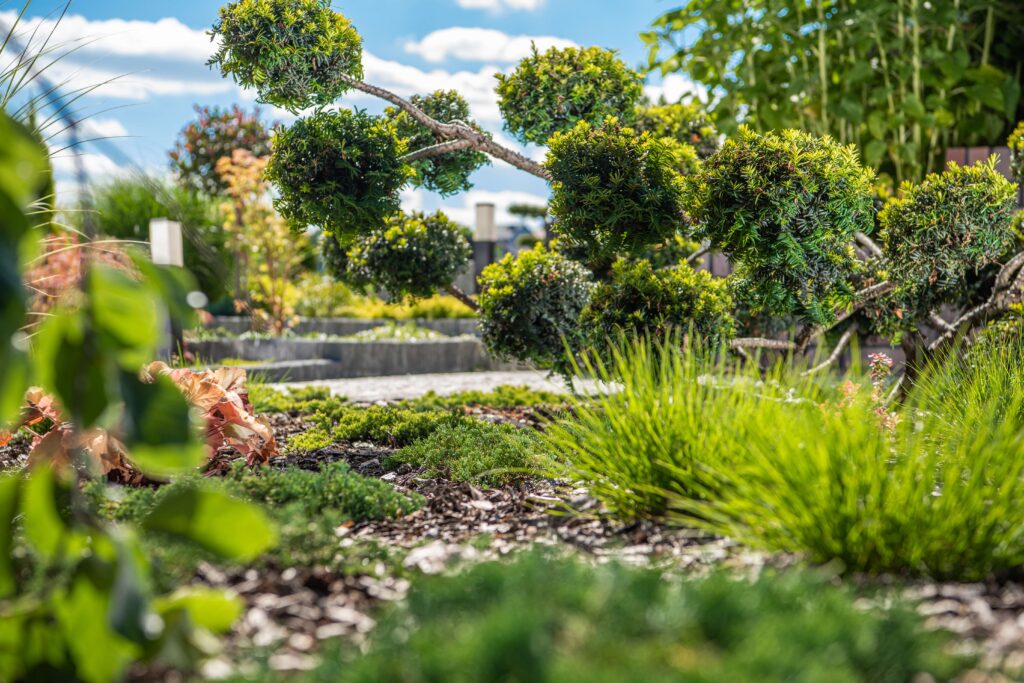
Satellite Beach works to restore and maintain natural lands along beach shorelines, on Samsons Island, at Sports Park, and in other city-owned areas. The program focuses on removing invasive plants and replanting Florida-native species that better support local wildlife and coastal ecosystems.
This work helps protect gopher tortoises, shorebirds, and other coastal species while improving dune resilience against erosion. The city also cooperates with agencies such as the Florida Fish and Wildlife Conservation Commission to keep restoration efforts aligned with broader environmental standards.
Solar Access
Satellite Beach supports solar energy by helping homeowners and businesses better understand their options. The Sustainability Board offers free solar assessments, and the city has earned the SolSmart Gold designation for making solar access easier and more affordable.
This designation reflects work to reduce red tape and streamline permitting. The city also shares information about financing tools, federal tax credits, solar co-ops, and renewable energy incentive databases so residents can evaluate the practical side of going solar.
Yard of the Month
The Yard of the Month program recognizes residential yards that support beautification and sustainable landscaping. Qualifying yards typically reduce invasive or non-native plants, limit lawn areas, and add native plants or trees.
The program runs from March through September and includes special awards for Best Harvest and Holiday House. It encourages residents to use native plants, reduce water use, support wildlife, maintain clean yards, and follow lagoon-friendly practices.
Satellite Beach’s sustainability initiatives show how local environmental work can be built through many connected actions. Wildlife lighting rules, water conservation, solar access, habitat restoration, stormwater management, urban forestry, and native landscaping all support the same purpose: protecting the natural character of Satellite Beach while helping the community remain resilient and responsible.
Source: https://www.satellitebeach.gov/departments/public-works/sustainable-satellite/#YardoftheMonth